
The term “slot gacor” is often used online to describe slot games that are believed to be “hot,” “easy to win,” or more likely to give frequent payouts. In many online spaces, this idea spreads quickly through social media, forums, and promotional content.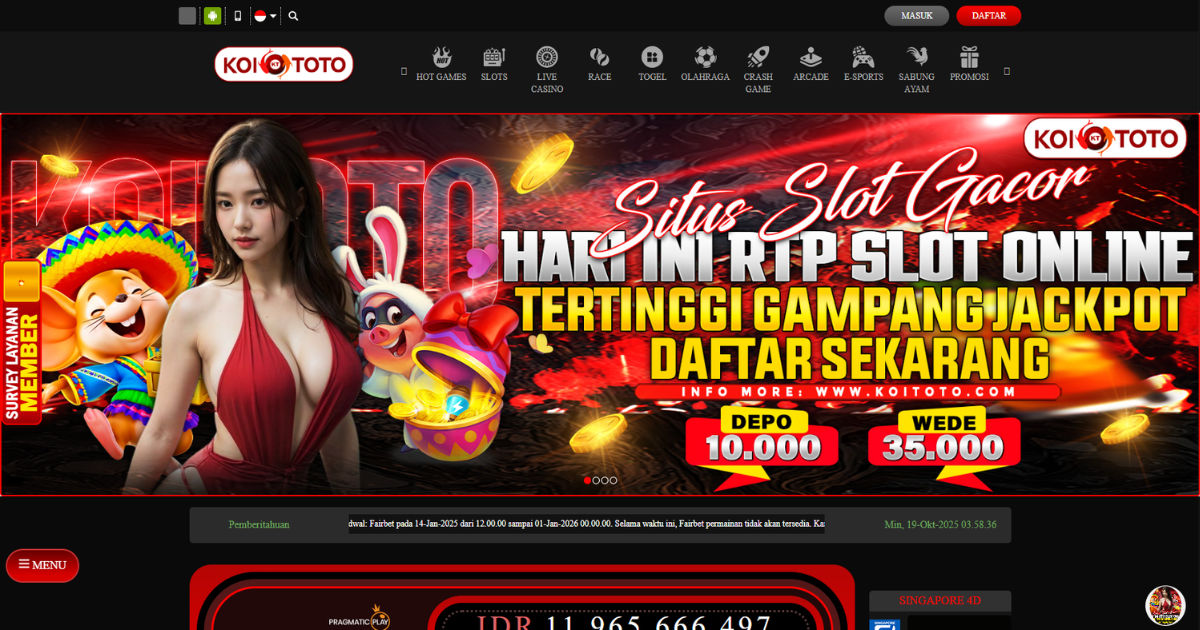
Some discussions also mention platforms or brand-like names such as “koitoto” in connection with these conversations, usually in promotional or community contexts. However, what matters most is not the name itself, but how these ideas influence player behavior and perception.
This article explains how beliefs around “slot gacor” can contribute to gambling addiction, why these beliefs feel convincing, and what psychological mechanisms are involved.
The Idea of “Slot Gacor”
What People Mean by “Slot Gacor”
“Slot gacor” is not a technical or scientific term. Instead, it is slang used to suggest that a slot machine is:
- Paying out more frequently
- In a “lucky” or “hot” state
- Easier to win at a specific time
In reality, modern slot games are built on Random Number Generators (RNGs), which ensure that every spin is independent and unpredictable.
Why the Concept Spreads Quickly
The idea spreads because it is:
- Emotionally appealing
- Based on personal stories (“I won big!”)
- Shared in online communities
- Reinforced by selective memory
Even when losses are more common, wins are more memorable and widely shared.
The Psychology Behind Gambling Attraction
Variable Rewards and Dopamine
Slot machines use a reward system known as variable reinforcement. This means:
- Wins happen unpredictably
- Losses are frequent but inconsistent
- Small wins still trigger excitement
This pattern strongly activates dopamine in the brain, the chemical linked to motivation and pleasure.
Over time, the brain starts chasing the possibility of reward rather than the actual outcome.
The Illusion of Control
One major psychological trap is the belief that players can influence random outcomes. “Slot gacor” narratives often reinforce this by suggesting:
- Certain times are luckier
- Certain machines are “due” to pay
- Strategies can predict wins
This creates a false sense of control, even though outcomes remain random.
How “Slot Gacor” Thinking Connects to Addiction
Reinforcing Continuous Play
When someone believes a slot is “hot,” they are more likely to:
- Continue playing longer sessions
- Increase their bets
- Return more frequently
This repeated engagement is a key pathway toward problematic gambling behavior.
Chasing Losses
A dangerous cycle begins when players lose money but believe:
- “The machine is about to turn lucky”
- “It must pay out soon”
This leads to chasing losses, a well-known addiction pattern where individuals continue gambling to recover previous losses, often making the situation worse.
Near-Miss Effect
Slot games are designed to show near-misses, such as:
- Two jackpot symbols and one almost matching symbol
The brain interprets near-misses as progress, even though they are still losses. This increases motivation to keep playing.
Social Media and the Spread of Belief
Online Communities and Reinforcement
Many gambling-related communities share:
- Winning screenshots
- “Lucky time” predictions
- Claims of hot or cold machines
These posts often ignore the larger number of losses, creating a distorted perception of reality.
Marketing Language and Emotional Framing
Some promotional content uses phrases like:
- “Easy win slots”
- “Guaranteed gacor moment”
- “Big win today”
Even when not literally true, this language creates emotional pressure and excitement, encouraging continued play.
The Progression Toward Problem Gambling
Stage 1: Curiosity
A person tries slot games casually, often influenced by curiosity or online content.
Stage 2: Pattern Belief
They begin believing in patterns like:
- Lucky hours
- Hot streaks
- Special machines
This is where “slot gacor” thinking can take hold.
Stage 3: Emotional Investment
Wins feel highly exciting, and losses feel temporary. The person starts gambling:
- More frequently
- With higher stakes
- With stronger emotional attachment
Stage 4: Loss of Control
At this stage, gambling may become compulsive:
- Difficulty stopping
- Financial strain
- Emotional distress
- Chasing losses
This is where addiction risk becomes significant.
Why the Brain Gets “Stuck” in Gambling Loops
Dopamine Adaptation
Over time, the brain becomes less sensitive to normal rewards, requiring:
- Bigger risks
- Higher stakes
- Longer play sessions
This is similar to tolerance in other behavioral addictions.
Emotional Escape
Some people use gambling to escape:
- Stress
- Anxiety
- Financial pressure
- Boredom
This emotional coping mechanism strengthens addiction patterns.
Misconceptions That Increase Risk
“I Am Due for a Win”
Random systems do not track past outcomes. Each spin is independent, but the brain struggles to accept randomness.
“I Understand the Pattern”
Even experienced players fall into the illusion that they can detect patterns in random sequences.
“Small Wins Mean I’m Close”
Small wins are part of normal variance and do not predict future outcomes.
Real Risks of Gambling Addiction
Financial Impact
- Accumulating debt
- Loss of savings
- Difficulty managing daily expenses
Emotional Impact
- Stress and anxiety
- Irritability
- Feelings of guilt or shame
Social Impact
- Relationship strain
- Isolation
- Loss of trust
Responsible Awareness and Prevention
Recognizing Early Signs
Warning signs include:
- Spending more than intended
- Thinking about gambling frequently
- Believing in “hot streaks”
- Difficulty stopping
Healthy Boundaries
Some protective habits include:
- Setting strict time limits
- Treating gambling as entertainment, not income
- Avoiding chasing losses
- Taking breaks regularly
Seeking Help
If gambling starts affecting daily life, support can be found through:
- Counseling services
- Addiction support groups
- Financial guidance services
Final Reflection
The idea of “slot gacor” feels convincing because it combines emotional storytelling, selective memory, and psychological reinforcement. However, underneath that belief system, slot machines remain random systems designed to generate unpredictable outcomes.
When combined with reinforcement loops, dopamine-driven behavior, and social validation online, these beliefs can gradually contribute to gambling addiction patterns.
Understanding how these mechanisms work is an important step toward maintaining control, making informed choices, and recognizing when entertainment crosses into harmful behavior.
Conclusion
The connection between “slot gacor” narratives and gambling addiction is not about a single cause, but about a combination of psychological triggers, social influence, and misinterpretation of randomness. These beliefs can make gambling feel more controllable and rewarding than it actually is, increasing the risk of prolonged play and emotional dependence.
By understanding the underlying mechanics—such as variable rewards, cognitive biases, and emotional reinforcement—individuals can better recognize when their thinking is being influenced by illusion rather than reality. Awareness is the most effective tool for prevention.
Gambling should always remain a form of entertainment, not a perceived system of patterns or guaranteed outcomes.