
The Spectra S1 Pro Breast Pump is popular among breastfeeding and pumping parents because it combines strong suction, adjustable settings, a rechargeable battery, and a relatively simple design. However, the pump itself is only one part of a complete pumping setup. The right accessories can make a major difference in comfort, milk collection, cleaning, portability, and overall pumping efficiency.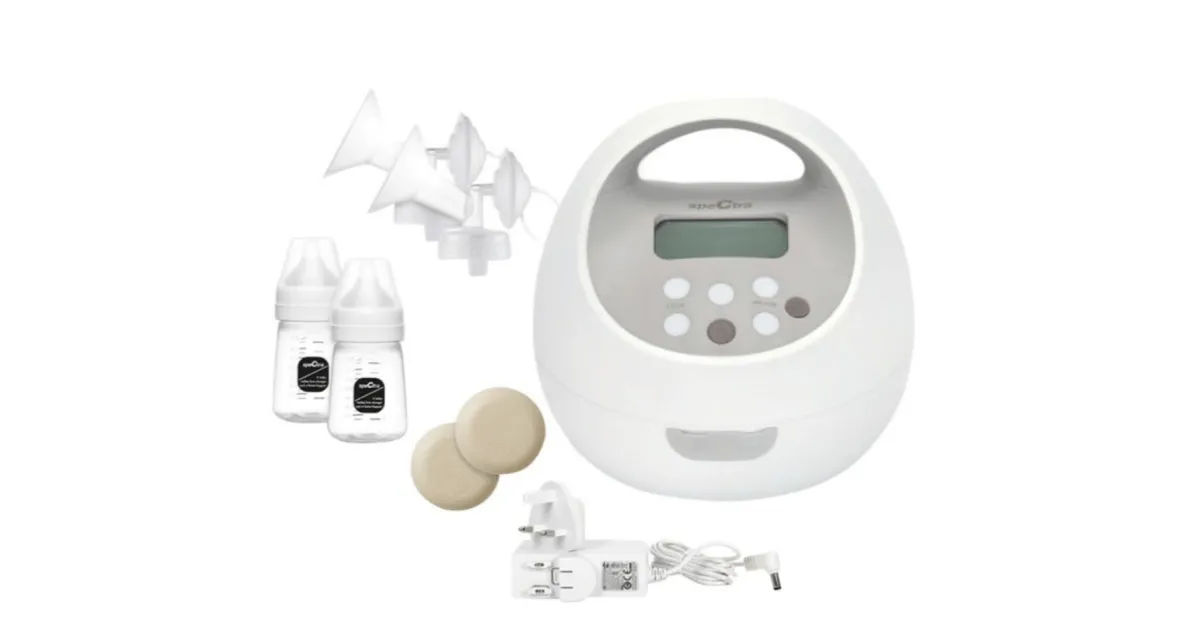
When choosing accessories for the Spectra S1 Pro Breast Pump, compatibility is one of the most important things to consider. Some accessories are designed specifically for Spectra pumps, while others may work with the pump through compatible connectors, adapters, or replacement parts. Understanding which items fit directly and which require additional components can save you money and prevent frustrating trial and error.
This comprehensive guide explains the main accessories that fit the Spectra S1 Pro Breast Pump, including breast shields, bottles, valves, tubing, backflow protectors, collection cups, storage accessories, pumping bras, and other useful additions. It also explains how to choose the right accessories based on your body, pumping routine, and personal needs.
Spectra S1 Pro Breast Pump Setup
Before buying accessories, it helps to understand how the pumping system works. The Spectra S1 Pro Breast Pump typically operates as part of a closed-system setup. This means that a backflow protection system helps prevent breast milk from entering the pump motor and tubing.
A basic pumping setup usually includes the pump motor, tubing, backflow protectors, breast shields, duckbill valves, and milk collection bottles. Each component has a specific role, and all of them work together to create the vacuum needed for milk expression.
The breast shield, sometimes called a flange, sits over the breast and nipple. When the pump creates suction, milk flows through the breast shield and into the collection bottle.
The duckbill valve controls the movement of milk and helps maintain the vacuum. The backflow protector provides an additional barrier between the milk collection system and the pump motor.
The tubing connects the pump to the backflow protector. Because these components work together, replacing one part with an incompatible item can affect the performance of the entire system.
This is why it is important to check compatibility before purchasing replacement or upgrade accessories.
Breast Shields and Flanges
Breast shields are among the most important accessories for any breast pump. They are the parts that come into direct contact with the breast, so choosing the correct size can have a major effect on comfort and pumping performance.
The Spectra S1 Pro Breast Pump commonly comes with breast shields, but the standard size may not be suitable for every user. Breast and nipple size varies considerably, and many pumping parents need a smaller or larger flange size for a comfortable fit.
A properly sized breast shield should allow the nipple to move freely inside the tunnel without excessive rubbing. The areola should not be pulled unnecessarily deep into the tunnel.
If the flange is too small, it may cause friction, discomfort, swelling, or pain. If it is too large, too much of the areola may be drawn into the tunnel, which can also reduce comfort and potentially affect milk removal.
Spectra-compatible breast shields are available in different sizes. Some are sold as complete flange assemblies, while others are available as inserts that fit inside a larger shield.
The correct size is based on nipple measurements rather than breast size. It is also possible for a person to need different flange sizes on each breast.
Flange Inserts
Flange inserts are useful for people who find that the standard breast shield is too large.
An insert sits inside the existing flange tunnel and reduces the diameter of the opening. This can provide a more personalized fit without requiring a completely different flange assembly.
For many pumping parents, inserts are a convenient and affordable way to experiment with sizing. They can be particularly useful when the standard Spectra flange feels uncomfortable but the user does not want to purchase multiple complete sets of breast shields.
However, inserts should fit securely and should not interfere with the movement of the nipple. If an insert creates excessive friction or reduces milk flow, a different size may be necessary.
It is also important to keep inserts clean and inspect them regularly for damage.
Spectra-Compatible Collection Bottles
Collection bottles are another essential accessory. The Spectra S1 Pro Breast Pump is designed to work with compatible milk collection bottles that attach beneath the breast shields.
These bottles collect expressed milk during pumping. Many users keep several bottles available so that they do not need to wash and sterilize the same pair after every pumping session.
Having extra bottles can be especially useful for people who pump several times a day. A larger supply of bottles allows you to prepare clean equipment in advance.
When buying replacement bottles, make sure the bottle opening and threading match the pump's breast shield or connector system. Bottles made for other pump brands may not attach directly.
It is also important to consider bottle capacity. Smaller bottles may be convenient for newborn feeding or shorter pumping sessions, while larger bottles can be useful for longer sessions or higher milk output.
Wide-Neck Bottles and Feeding Compatibility
Some parents prefer to pump directly into bottles that can also be used for feeding. This can reduce the number of times milk needs to be transferred between containers.
However, not every feeding bottle will connect directly to a Spectra breast shield. Compatibility depends on the bottle's neck design, opening, and threading.
If you want to pump into a different brand of feeding bottle, you may need an adapter. Before purchasing one, verify that the adapter is specifically compatible with your pump and the bottle brand you plan to use.
Direct pumping into feeding bottles can be convenient, but there is another consideration: bottle size. A bottle that is too narrow, too wide, or poorly supported may be unstable during pumping.
For regular use, a secure connection is more important than simply finding a bottle that appears to fit.
Duckbill Valves
Duckbill valves are small silicone components that play an important role in the pumping process.
They help control milk flow and maintain the vacuum created by the pump. Over time, silicone valves can become stretched, worn, torn, or less effective.
When a duckbill valve becomes damaged or loses its shape, pumping performance may decline. You may notice weaker suction, slower milk removal, or a change in how the pump feels.
For this reason, replacement duckbill valves are among the most useful accessories to keep on hand.
It is generally wise to inspect valves regularly. If a valve looks damaged, has a visible tear, or no longer closes properly, it should be replaced.
Always choose replacement valves designed for your specific pump system. A valve that looks similar may not provide the correct seal or fit.
Backflow Protectors
Backflow protectors are a key component of the closed pumping system.
Their purpose is to help prevent breast milk and moisture from traveling through the tubing toward the pump motor. This helps protect the electrical pump unit from contamination.
The Spectra S1 Pro Breast Pump uses compatible backflow protection components that connect between the breast shield tubing and the pump.
Backflow protectors should be inspected regularly. If moisture or milk enters the tubing, it is important to determine whether the backflow protector is damaged or incorrectly assembled.
Replacement backflow protectors can be purchased when the original parts become worn or damaged.
Because these parts are critical to the closed-system design, it is important not to remove or bypass them simply to make another accessory fit.
Replacement Tubing
Tubing connects the pump motor to the backflow protector. It carries the air pressure that allows the pump to create suction.
Replacement tubing can be useful when the original tubing becomes cracked, damaged, discolored, or contaminated.
Tubing should remain dry during normal use. If milk enters the tubing, the pump system should be checked carefully before continued use.
When replacing tubing, use tubing that is designed to work with the pump and its connectors. Tubing that is too loose may leak air, while tubing that is too tight may be difficult to attach.
Some parents also keep a spare set of tubing in their pumping bag. This can be helpful when pumping away from home.
Hands-Free Pumping Bras
A hands-free pumping bra can make pumping much more convenient.
Instead of manually holding the breast shields in place, a pumping bra helps secure them against the body. This allows the user to read, work, eat, relax, or perform other tasks while pumping.
Many pumping bras are designed to accommodate common breast shield sizes, but the exact fit depends on the bra design.
When choosing one for the Spectra S1 Pro Breast Pump, look for a bra with openings that hold the flanges securely. The openings should not pull the breast shields sideways or cause excessive pressure.
A good pumping bra should provide support without compressing the breast too tightly.
Some parents prefer a dedicated pumping bra, while others choose a combination nursing and pumping bra. The best option depends on how frequently pumping is part of the daily routine.
Pumping Bra Adapters
Some pumping bras are designed around specific breast shield shapes. If the flange does not sit correctly in the bra opening, an adapter may help.
Adapters can sometimes improve the fit between the pump flange and the bra. However, they are not universally compatible.
Before purchasing an adapter, confirm that it works with both your breast shield model and the specific pumping bra.
The goal is to create a stable connection that keeps the breast shield positioned correctly without creating unnecessary pressure.
Portable and Mobile Pumping Accessories
Although the Spectra S1 Pro Breast Pump has a rechargeable battery, additional portable accessories can make mobile pumping easier.
A dedicated pump bag is useful for carrying the pump, bottles, breast shields, tubing, and cleaning supplies.
An insulated cooler bag can help transport expressed milk when refrigeration is not immediately available. Reusable ice packs can be used with the cooler according to safe milk-storage practices.
A portable changing mat or clean equipment mat can also be useful. It provides a cleaner surface for assembling pump parts when pumping outside the home.
A small storage pouch can keep valves, connectors, and other small components organized.
These accessories do not necessarily change the pump's performance, but they can make regular pumping much easier to manage.
Milk Storage Bags
Milk storage bags are not directly attached to the pump, but they are highly useful accessories for anyone who pumps regularly.
After pumping, expressed milk can be transferred into appropriately designed storage bags for refrigeration or freezing.
Some parents prefer pumping directly into a bottle and then transferring the milk. Others look for systems that allow milk to be collected and transferred with fewer steps.
If you use storage bags, choose bags specifically designed for breast milk storage. They should be clearly labeled with the date and amount of milk.
Avoid filling bags beyond their recommended capacity, particularly when freezing, because liquids expand as they freeze.
A good organization system can make stored milk easier to manage and reduce waste.
Breast Milk Storage Bottles
Reusable storage bottles are another option for collecting and storing expressed milk.
They can be convenient for parents who prefer reusable containers instead of disposable bags.
Storage bottles should be made from materials suitable for breast milk storage and should have secure lids.
If you plan to use the same bottles for pumping and storage, confirm that they are compatible with the pump before purchasing them.
Having several bottles available can simplify the daily routine. You can pump into one set while another set is being cleaned or stored.
Bottle Caps and Sealing Discs
Bottle caps are small accessories that are easy to overlook but extremely useful.
After pumping, a secure cap can protect the expressed milk from contamination and spills.
Some systems use sealing discs or specialized lids that create a secure closure. These may be particularly helpful when bottles need to be transported.
If you store milk in pump bottles, make sure the bottles are properly sealed before placing them in a refrigerator or cooler.
It is also useful to keep spare caps because they are small and easy to misplace.
Pump Cleaning Accessories
Keeping pump parts clean is essential for maintaining a safe pumping routine.
Useful cleaning accessories include a dedicated bottle brush, small-detail brush, drying rack, and clean storage container.
A bottle brush helps clean collection bottles, while a smaller brush can reach narrow areas of connectors and other components.
A dedicated drying rack can keep cleaned pump parts separate from ordinary kitchen items.
After cleaning, pump parts should be allowed to dry thoroughly according to the manufacturer's instructions.
The pump motor itself should not be submerged in water. Only the appropriate removable components should be cleaned using the recommended method.
Replacement Parts and Spare Sets
One of the smartest accessories for frequent pumping is a spare set of essential parts.
A spare set might include breast shields, duckbill valves, backflow protectors, bottles, and tubing.
Having replacements available can prevent a damaged or missing component from disrupting your pumping schedule.
Spare parts are particularly helpful for parents who pump at work, travel frequently, or pump multiple times each day.
Instead of buying a complete replacement kit every time a single part wears out, you can replace individual components when necessary.
It is still important to periodically inspect your entire setup rather than waiting until a component completely fails.
Wearable Collection Cups and Alternative Collection Systems
Some pumping parents are interested in wearable collection cups because they offer greater freedom of movement.
Certain collection cups may be compatible with the Spectra S1 Pro Breast Pump, but compatibility is not universal.
A wearable cup system may require a specific connector or adapter. The cup must also be able to work with the pump's vacuum and tubing system.
Before buying wearable cups, check the manufacturer's compatibility information carefully.
It is also important to understand that a wearable collection cup may feel different from a traditional breast shield and bottle setup. Some users find them more convenient, while others prefer standard flanges because they provide a more familiar fit.
If your priority is maximum portability, wearable cups may be worth considering. If your priority is easy access and straightforward cleaning, traditional bottles may be simpler.
Adapters for Other Bottles
Adapters can sometimes expand the range of accessories that can be used with a Spectra pump.
For example, an adapter may allow a compatible feeding bottle to connect to the pump. However, adapters are not universal, and using the wrong adapter can cause leaks or poor suction.
When considering an adapter, check three things: the pump connection, the breast shield or flange connection, and the bottle connection.
All three must work together properly.
It is also worth remembering that adding multiple adapters can create more connection points. More connections can mean more places for air leaks or instability.
Whenever possible, a simple and secure setup is preferable.
Which Accessories Are Most Important?
Not every pumping parent needs every accessory.
For a basic setup, the most important accessories are correctly sized breast shields, compatible bottles, duckbill valves, backflow protectors, and tubing.
If you pump frequently, extra bottles and spare valves can make daily life easier.
If you pump while working or multitasking, a hands-free pumping bra may be one of the most useful additions.
If you travel often, a pump bag, cooler, ice packs, and spare parts can make the process more manageable.
If you experience discomfort, the first accessory to consider is usually the correct breast shield size rather than buying more advanced equipment.
The right accessory is the one that solves a real problem in your pumping routine.
How to Choose the Right Flange Size
Choosing the correct flange size requires more than simply selecting the size included with the pump.
Start by measuring your nipple diameter, preferably after pumping or stimulation when the nipple may be slightly larger.
The measurement should focus on the nipple itself rather than the entire areola.
A flange should provide enough room for the nipple to move without excessive rubbing. The fit should not cause significant pain or pull large amounts of areola into the tunnel.
During pumping, pay attention to how your body responds.
If you experience persistent pain, swelling, rubbing, or unusual discomfort, the flange size may not be appropriate.
Because nipple size can change over time, it may be worth reassessing the fit periodically.
How to Know When Accessories Need Replacing
Pump accessories do not last forever.
Silicone parts such as duckbill valves can wear out through regular use. Tubing may become damaged or develop moisture problems. Backflow protectors may also need replacement if they no longer function properly.
Breast shields can become scratched or damaged, while bottles may develop cracks.
Inspect your equipment regularly.
Look for tears, cracks, deformation, discoloration, or changes in performance.
If suction suddenly becomes weaker, do not immediately assume that the pump motor has failed. Check the tubing, valves, backflow protectors, and connections first.
A small worn part can sometimes cause a noticeable change in pumping performance.
Common Compatibility Mistakes
One common mistake is assuming that every breast pump accessory is universal.
Many pump components may look similar but have different connection sizes, threads, or shapes.
Another mistake is purchasing an accessory based only on the brand name. A product described as "compatible with Spectra" may fit one pump model but not necessarily every Spectra component.
It is always better to verify compatibility with the exact model and part you already own.
Another issue is using damaged or worn parts for too long.
Small components such as valves can have a significant effect on suction. Replacing them regularly may improve performance more effectively than purchasing expensive upgrades.
Finally, some parents buy accessories based on online recommendations without considering their own pumping routine.
The best setup for someone pumping once a day may be completely different from the setup needed by someone pumping eight times daily.
How to Build a Practical Accessory Kit
A practical accessory kit should match your lifestyle.
For occasional pumping, you may only need an extra set of bottles and replacement valves.
For exclusive pumping, having multiple complete sets of essential pump parts can reduce the amount of time spent washing equipment.
For working parents, a portable bag, cooler, ice packs, spare tubing, and a hands-free pumping bra may be valuable.
For travel, organization becomes especially important. Keeping clean and used pump parts separated can make hygiene easier.
For nighttime pumping, a simple setup with preassembled clean parts may reduce the effort required during late-night sessions.
The key is to build the kit around your actual routine rather than purchasing every accessory available.
Tips for Maintaining Pump Accessories
Proper maintenance can extend the useful life of pump accessories.
Inspect silicone parts regularly and replace them when they become damaged or lose their shape.
Keep tubing dry and check it for cracks or moisture.
Clean removable pump parts according to the manufacturer's recommendations.
Allow cleaned components to air-dry completely before storing them.
Store clean parts in a clean, dry location.
Avoid placing pump components directly on dirty or wet surfaces.
If you have multiple sets of parts, rotating them can reduce wear on individual components.
It is also helpful to keep a small supply of essential replacements at home. This can prevent an unexpected equipment problem from interrupting your pumping routine.
Frequently Asked Questions About Spectra S1 Pro Accessories
Can I use different flange sizes?
Yes. Different flange sizes may be used depending on individual nipple measurements and comfort. The correct size is determined by fit rather than breast size.
Can I use other brands of bottles?
Some third-party bottles may work with the pump when they have the correct connection or are used with a compatible adapter. Always confirm compatibility before use.
Do I need extra duckbill valves?
If you pump regularly, keeping spare duckbill valves is a practical idea. They are small, can wear over time, and can affect suction when damaged.
Are hands-free pumping bras compatible?
Many hands-free pumping bras can accommodate the pump's breast shields, but the fit depends on the bra design. Check the opening size and shape before purchasing.
Can I use wearable cups?
Some wearable collection cups may be compatible with the pump, but compatibility varies. A suitable connector or adapter may be required.
How many bottles should I have?
The ideal number depends on how often you pump. Frequent pumpers generally benefit from having several bottles and at least one spare set of essential parts.
Why does my pump suddenly have weaker suction?
Check the breast shield fit, tubing, duckbill valves, backflow protectors, and connections. A worn or poorly fitted component can cause a sudden reduction in suction.
Do I need to replace all accessories at once?
No. Individual components can usually be replaced when they become worn or damaged. Regular inspection can help identify which parts actually need replacement.
Conclusion
Choosing the right accessories for the Spectra S1 Pro Breast Pump is less about buying the largest collection of products and more about creating a setup that works comfortably and reliably for your individual pumping routine.
The most important accessories are the ones that directly affect comfort, milk collection, and pump performance. A correctly sized breast shield is especially important because an uncomfortable flange can make every pumping session more difficult. Compatible bottles, reliable duckbill valves, functioning backflow protectors, and intact tubing are also essential for maintaining an effective pumping system.
From there, additional accessories can be selected according to your lifestyle. A hands-free pumping bra can make multitasking easier. Extra bottles can simplify cleaning and preparation. Storage bags and cooler accessories can help with milk handling when you are away from home. Spare valves and tubing can provide peace of mind when something unexpectedly needs replacing.
It is also important to remember that compatibility should always be checked before purchasing third-party accessories. Not every bottle, flange, collection cup, adapter, or replacement part will work simply because it looks similar to the original component. The safest approach is to confirm that the accessory is specifically designed for your pump model or that the manufacturer clearly states compatibility.
The best pumping setup is ultimately one that is comfortable, secure, easy to clean, and practical for your daily life. Start with the essential components, make sure the flange size is appropriate, and then add accessories based on the challenges you actually experience.
Whether you pump occasionally, combine pumping with breastfeeding, return to work, or rely heavily on pumping, the right accessories can make the entire experience more convenient. With proper sizing, regular maintenance, and compatible replacement parts, you can create a dependable pumping system that supports your needs without unnecessary purchases.