
A lush, green lawn can completely transform the look of your home, providing a peaceful space for relaxation, play, and outdoor gatherings.
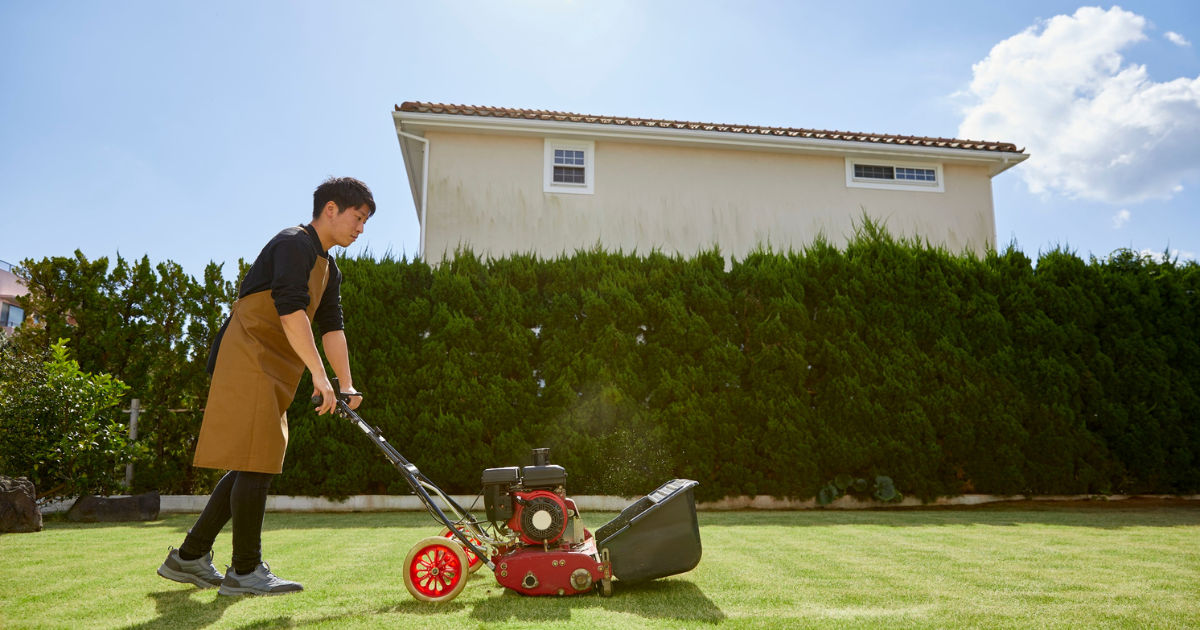
However, if your lawn has been neglected, reviving it can seem like a daunting task. With proper strategies and consistent effort, anyone can restore a tired lawn into a vibrant, healthy one.
If you are looking for lawn care Tauranga, this guide provides a detailed, step-by-step approach to rejuvenating your lawn. Whether it’s patchy grass, weeds, or soil problems, following these steps can help you regain a beautiful outdoor space.
Step 1: Assess the Current Condition of Your Lawn
Before you start any lawn care project, it’s essential to understand the current state of your lawn. Walk through your lawn carefully and take note of:
-
Areas with bare patches
-
Presence of weeds or moss
-
Soil type and drainage issues
-
Grass health and thickness
Understanding these factors will allow you to tailor your lawn care approach effectively. If your lawn has large bare patches or is suffering from compaction, you may need extra attention in those areas. For homeowners in Tauranga, knowing the soil type is crucial because the climate and soil conditions affect what grass types thrive.
Step 2: Remove Debris and Thatch
Neglected lawns often accumulate debris like fallen leaves, sticks, and other organic matter. These can block sunlight and trap moisture, creating an ideal environment for pests and diseases.
Start by:
-
Raking up leaves and debris
-
Using a dethatcher or garden rake to remove excess thatch
-
Aerating areas with compacted soil
Thatch is a layer of dead grass and roots that sits on the soil surface. If it’s more than half an inch thick, it can prevent water and nutrients from reaching the soil. Removing it is a critical step in reviving your lawn. For effective lawn care Tauranga, dethatching should be done carefully to avoid damaging the healthy grass underneath.
Step 3: Address Soil Problems
Healthy soil is the foundation of a healthy lawn. Neglected lawns often suffer from poor soil conditions, which can be a barrier to growth. Conduct a simple soil test to check:
-
pH levels
-
Nutrient deficiencies
-
Drainage issues
Tauranga’s soil can vary from sandy to clay-heavy areas, affecting water retention and grass growth. If your soil is compacted, aeration is essential. Aeration involves creating small holes in the soil, which improves oxygen flow, water absorption, and root growth. For nutrient deficiencies, consider using a balanced fertilizer suited for your lawn type. Organic compost can also improve soil structure and provide essential nutrients.
Step 4: Choose the Right Grass Seed
Once the soil is prepared, selecting the right grass seed is crucial. The grass type should suit your climate, soil, and lawn use. For Tauranga, some common choices include:
-
Perennial ryegrass – fast-growing and ideal for high-traffic areas
-
Tall fescue – drought-resistant and durable
-
Kentucky bluegrass – lush and soft, great for ornamental lawns
For bare patches or heavily damaged areas, overseeding may be required. Spread the seed evenly and lightly rake it into the soil. Using a seed spreader ensures uniform coverage. For lawn care Tauranga, selecting a grass variety that thrives in your region helps reduce maintenance and ensures long-term success.
Step 5: Watering and Fertilizing Correctly
Watering is one of the most critical aspects of lawn revival. Newly seeded lawns need consistent moisture until the grass is established. Follow these guidelines:
-
Water lightly but frequently in the first 2–3 weeks
-
Avoid overwatering, which can cause fungal problems
-
Gradually reduce frequency but increase the depth of watering as grass grows
Fertilizing provides the nutrients your lawn needs to recover. Use a starter fertilizer for new grass seeds, and apply it according to the product instructions. Over-fertilizing can damage the grass, so it’s important to strike a balance. Regular feeding schedules, particularly during spring and autumn, will keep your lawn healthy and lush.
Step 6: Control Weeds and Pests
Weeds are a common issue in neglected lawns. They compete with grass for nutrients and water, slowing down recovery. Early intervention is key:
-
Hand-pull weeds in small areas
-
Use selective herbicides for larger infestations
-
Maintain healthy grass to naturally prevent weed growth
Pests such as grubs, slugs, and insects can also damage your lawn. Monitoring the lawn regularly and addressing infestations promptly is critical. Tauranga homeowners should consider environmentally friendly pest control methods to protect their lawn while maintaining ecological balance.
Step 7: Mowing and Ongoing Maintenance
Once your lawn starts growing, proper mowing and maintenance are essential to keep it healthy. Key tips include:
-
Set the mower blade at the recommended height for your grass type
-
Avoid cutting more than one-third of the grass height at a time
-
Keep mower blades sharp to prevent tearing the grass
Ongoing maintenance includes regular watering, seasonal fertilization, and aeration as needed. A consistent schedule helps prevent weeds and diseases, keeping your lawn vibrant and healthy year-round.
Additional Tips for a Thriving Lawn
While the seven steps above provide a solid foundation, there are additional tips that can further enhance your lawn revival efforts:
-
Mulching: Leaving grass clippings on the lawn provides nutrients and reduces water evaporation.
-
Sunlight: Ensure your lawn receives adequate sunlight. Trim overhanging branches that block sunlight.
-
Foot Traffic: Reduce heavy traffic on recovering areas to prevent compaction and damage.
-
Edge Care: Maintain clean edges along flower beds and paths to enhance overall aesthetics.
In Tauranga, the climate can be variable, so adapting your watering and fertilizing schedules according to the season is essential for sustainable lawn care.
Common Mistakes to Avoid
When reviving a neglected lawn, avoid these common mistakes:
-
Overwatering or underwatering
-
Skipping soil preparation
-
Using the wrong grass seed for your region
-
Ignoring weeds or pests
-
Mowing too short
Avoiding these errors can significantly improve your chances of achieving a healthy and beautiful lawn.
Conclusion
Reviving a neglected lawn in Tauranga is a manageable task if approached methodically. By assessing your lawn, removing debris, improving soil, selecting the right grass, watering and fertilizing correctly, controlling weeds and pests, and maintaining a regular mowing schedule, you can restore your outdoor space to its former glory. Healthy lawns not only enhance your home’s appearance but also create a welcoming environment for family, friends, and wildlife.
Investing time in lawn care Tauranga ensures that your lawn remains lush, green, and resilient for years to come. Remember, patience and consistency are key—lawns do not transform overnight, but with persistent effort, your neglected lawn can become a thriving, beautiful centerpiece of your home.