
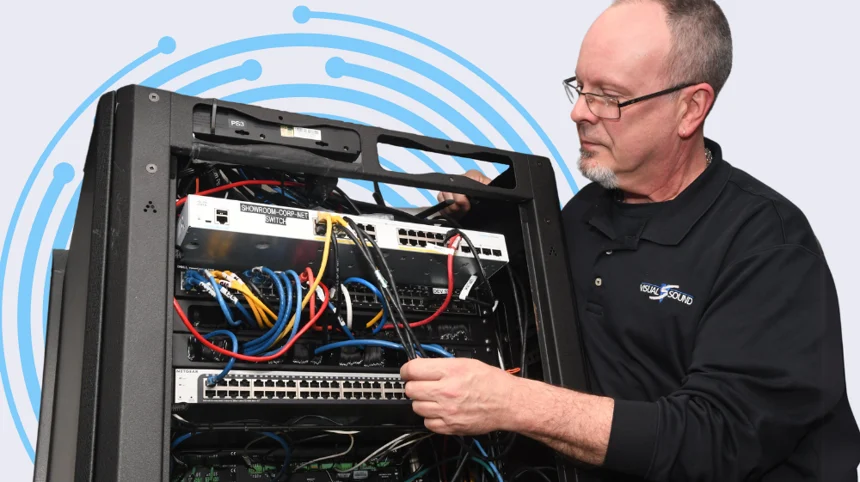
As an AV tech in Orlando, your day starts early, with the morning air crisp and the venue buzzing with anticipation. You inspect the equipment, checking connections and ensuring everything is operational. Collaboration with event planners is essential for a seamless setup. Each sound system and lighting element plays a critical role. But as the event unfolds, unexpected challenges arise, testing your skills and adaptability. What happens next could define the success of the entire event.
The Early Morning Setup
As you arrive at the venue, the early morning air is crisp, and the excitement of the day ahead buzzes in the background. You join fellow early risers, each adhering to their morning routines. You check the venue layout, ensuring all areas are accessible for equipment placement. Confirm the power supply’s reliability and assess available lighting. You outline the schedule, coordinating with event staff for seamless communication. Prioritize tasks: set up audio systems first, followed by visual displays. With every detail accounted for, you feel a sense of accomplishment, ready to tackle the day’s challenges head-on.
Equipment Check and Testing
Before any event begins, you must conduct a thorough equipment check and testing to confirm everything functions properly. Start by verifying all components, including microphones, projectors, and speakers. Ascertain cables are secure, and the power supply is stable. Follow established testing protocols—test audio levels, video clarity, and connectivity. Document any anomalies to assess equipment reliability. If issues arise, troubleshoot immediately, replacing faulty gear as needed. Pay close attention to lighting setups, ensuring all fixtures illuminate correctly. A meticulous approach during this phase not only prevents technical glitches during the event but also enhances the overall attendee experience.
Collaborating With Event Planners
Once the equipment check is complete, the next step involves collaborating with event planners to guarantee a seamless execution of the event. You’ll align with their event vision, ensuring design synergy between audiovisual elements and overall aesthetics. Discuss budget considerations to optimize resource allocation without compromising quality. Effective timeline management is essential, so coordinate key milestones and deadlines. Engage in creative brainstorming sessions to generate innovative ideas. Maintain ongoing vendor coordination to secure necessary services and equipment. Finally, prioritize client communication to align expectations and address any concerns, ensuring that each detail aligns with the planned vision for a successful event.
Setting the Stage: Lighting and Sound
When setting the stage, you’ll focus on vital lighting techniques that enhance the visual experience. You’ll also guarantee the sound system setup delivers clear audio, essential for audience engagement. Regular equipment maintenance practices will keep everything running smoothly, preventing issues during the event.
Essential Lighting Techniques
As you step into the domain of audio-visual production, mastering essential lighting techniques becomes crucial for creating an engaging atmosphere. Start by selecting the right lighting color to convey the desired mood; warm tones evoke comfort, while cooler hues can create tension. Next, consider lighting angles—experiment with key, fill, and backlighting to add depth and dimension to your subjects. Position lights strategically to minimize harsh shadows and enhance facial features. Always be mindful of the environment; natural light can complement artificial sources. By skillfully combining these elements, you’ll elevate the overall production quality and captivate your audience.
Sound System Setup
Setting up a sound system is a critical step in ensuring a successful audio-visual production. You’ll begin with equipment selection, focusing on speakers that optimize sound quality based on venue acoustics. Proper speaker placement is essential to enhance av staffing delivery. Next, conduct audio calibration for balanced sound across the space, considering acoustic considerations that may affect clarity. Integrate wireless technology for flexibility, ensuring seamless system integration. Finally, implement feedback management strategies to prevent disruptions. Your meticulous attention to these details greatly elevates the audience experience, allowing them to fully engage with the event.
Equipment Maintenance Practices
Maintaining your equipment is essential for guaranteeing reliable performance during events. Implement a routine preventive maintenance schedule, checking cables, connectors, and power sources regularly. Inspect lighting fixtures for bulb integrity and proper functionality. Keep your equipment inventory updated, documenting each item’s condition and service history. This helps you identify potential issues before they arise and allows for timely repairs or replacements. Always clean your gear after each event to prevent dust accumulation that can affect performance. By following these practices, you’ll enhance the longevity of your equipment and guarantee a seamless experience for your audience.
Troubleshooting On-the-Fly
When unexpected technical issues arise during an event, you must act quickly to troubleshoot on-the-fly. Implementing effective troubleshooting techniques is essential for seamless operations. Here are four steps for on-the-fly solutions:
-
Identify the Issue: Quickly assess symptoms and pinpoint the root cause.
-
Check Connections: Verify all cables and connections are secure and functional.
-
Test Equipment: Use backup devices to verify functionality and isolate problems.
-
Communicate: Keep team members and clients informed to manage expectations.
Managing Live Events
How do you guarantee a live event runs smoothly from start to finish? First, you meticulously plan event logistics, ensuring all equipment is tested and ready. You coordinate with the team to confirm everyone understands their roles. During the event, you monitor audio and visuals, making real-time adjustments to maintain audience engagement. You stay alert for any technical issues, using your troubleshooting skills to resolve them swiftly. Communication is key; you keep an open line with speakers and staff to address any concerns. Ultimately, your attention to detail and proactive approach create a seamless experience for both the audience and the organizers.
Behind the Scenes at Theme Parks
As an AV tech at a theme park, you’ll coordinate the equipment setup processes for various attractions and shows. It’s essential to guarantee all audio, video, and lighting systems are fully operational before the audience arrives. During live shows, you’ll provide immediate support to troubleshoot any issues that arise, maintaining the seamless experience guests expect.
Equipment Setup Processes
Setting up audio-visual equipment at theme parks involves a series of meticulous processes that assure every attraction runs smoothly. To enhance setup efficiency, follow these steps:
-
Conduct a thorough equipment inventory to assure all necessary tools are on-site.
-
Organize equipment by type and function, making it easier to locate items during setup.
-
Test all audio and visual components before installation to identify potential issues early.
-
Create a detailed setup timeline, coordinating with other departments to minimize delays.
Live Show Support
Supporting live shows at theme parks requires precision and quick adaptability. You monitor audio levels, lighting cues, and video feeds, ensuring everything aligns with the performance dynamics. As the show unfolds, you’re the invisible hand, adjusting sound to amplify audience engagement while managing unexpected technical challenges. You coordinate with performers and stage managers, keeping communication clear and efficient. Your role is vital during rehearsals and live performances, where split-second decisions can make or break the experience. By anticipating shifts in energy and audience reactions, you help create an immersive atmosphere that captivates guests and enhances the overall show experience.
Corporate Events and Conferences
Corporate events and conferences demand meticulous planning and technical expertise to guarantee seamless execution. You’ll leverage cutting-edge event technology to enhance audience engagement and create memorable experiences. Focus on these key elements:
-
Audio-Visual Setup: Confirm high-quality sound and visuals for presentations.
-
Lighting Design: Use lighting to set the mood and highlight speakers.
-
Interactive Tools: Implement audience response systems for real-time feedback.
-
Live Streaming: Facilitate remote participation to broaden your reach.
Mastering these components is essential in delivering a polished event and making sure that every detail aligns with the client’s vision and goals.
The Importance of Teamwork
While technical expertise is essential for executing flawless events, teamwork often makes the difference between a good event and a great one. You’ll witness how effective team dynamics foster collaborative success, ensuring that every detail aligns perfectly.
Role Responsibility Skills Required
—————————————-———————
AV Engineer Setup and troubleshooting Technical proficiency
Event Manager Coordination Leadership
Lighting Tech Design and execution Creativity
Sound Tech Audio calibration Attention to detail
Video Tech Visual presentation Problem-solving
Together, you create memorable experiences that resonate with audiences.
Reflections on a Rewarding Career
As an AV tech, you directly impact the success of events through your expertise and attention to detail. Your ability to creatively solve problems enhances not only the technical aspects but also the overall experience for attendees. Collaborating with your team fosters an environment of innovation and efficiency, making your role both rewarding and essential.
Impact on Events
The impact you have on events as an AV tech goes beyond just setting up equipment; it shapes the entire experience for attendees. You facilitate audience engagement through precise audio-visual execution. Consider these key elements that enhance event impact:
-
Sound Quality: Clear audio guarantees messages are heard and understood.
-
Visual Clarity: High-resolution displays capture attention and convey information effectively.
-
Lighting Design: Proper lighting creates mood and highlights key moments.
-
Technical Support: Real-time troubleshooting enables seamless shifts, minimizing disruptions.
Your role is essential in creating memorable experiences that resonate with participants long after the event concludes.
Creative Problem Solving
Creating impactful events requires more than technical expertise; it demands a creative mindset to solve unexpected challenges. You often find yourself in situations where equipment malfunctions or schedules shift unexpectedly. In these moments, you engage in creative brainstorming, drawing on your technical knowledge and experience to devise innovative solutions. Perhaps it’s re-routing audio signals or quickly adapting a lighting setup to fit a new venue layout. These challenges not only test your skills but also enhance your problem-solving abilities, making each successful event a rewarding reflection of your ingenuity and resilience in the fast-paced world of AV technology.
Team Collaboration Benefits
While you navigate the complexities of AV technology, the importance of team collaboration becomes evident. Effective team dynamics enhance your work experience and lead to superior outcomes. Here are key benefits of collaboration:
-
Enhanced Problem Solving: Diverse perspectives yield innovative solutions.
-
Improved Efficiency: Collaborative tools streamline workflows, reducing time spent on tasks.
-
Skill Development: Working with others fosters learning and growth.
-
Stronger Relationships: Building rapport boosts morale and communication.