
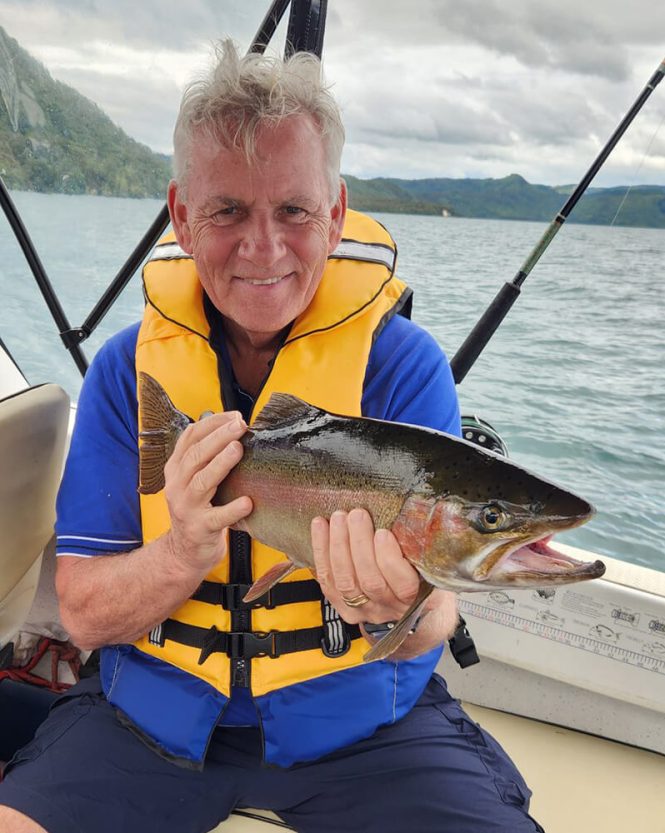
Lake Tarawera stands as one of the premiere fresh water fisheries in the Rotorua part of New Zealand. Carved by volcanic natural process and fed by cold, watch crystal-clear springs, this communicatory body of water provides an saint habitat for hard-fighting rainbow trout. Because the lake features infuse drop-offs, deep basins, and swamped volcanic structures, anglers must adjust their methods throughout the day and across different seasons. Mastering a few core techniques transforms an ordinary field day on the water into a consistently productive see Rotorua Fishing.
Understanding the Underwater Terrain of Lake Tarawera
Before selecting a rod or tying on a lure, sympathy the bathymetry of Lake Tarawera is necessary. Unlike shoal lowland lakes where fish spread out across weed beds, Tarawera plunges quickly from bush-clad shorelines to depths exceeding fourscore meters. Rainbow trout police specific depth contours where water temperature and melted atomic number 8 align with thick schools of smelt, their primary scrounge fish. In heater months, trout congregate near the thermocline, a different stratum where warm come up irrigate meets colder deep irrigate. During cooler overwinter and leap periods, fish often move to rocky points, river mouths, and shallow bays in seek of spawning soil and rampant baitfish.
Local knowledge plays a unhesitating role when renderin these submersed contours. Submerged lava flows, caloric vents, and antediluvian shoreline shelves make perceptive flow breaks where nutrients gather and pull zooplankton. Smelt follow those plankton concentrations closely, and rainbow trout shade the bait schools throughout the day. Watching how wind pushes warmer rise up irrigate toward one end of the lake also helps forebode where active voice feeders will heap up up along drop-offs.
Vertical Jigging Over Deep Schools
Vertical jigging is arguably the most stimulating and effective method acting for targeting rainbow trout in deep irrigate. Using high-resolution sonar, an skilled master locates supported arches representing trout eating to a lower place balls of smelt. Once positioned directly over the fish, anglers drop heavily metal jigs or weighted smelt-pattern flies straight down to the poin depth. The presentment relies on crinkle upward lifts of the rod tip followed by a limited drop on a semi-tight line. Trout often walk out on the fall, mistaking the flutter lure for a knocked out baitfish. Light adorned line paired with a sensitive black lead rod transmits even the slightest tap, allowing for immediate hooksets.
Adjusting jig angle and visibility to oppose depth and wind keeps your presentation cancel. On vitreous mornings with negligible drift, a lighter XIV-gram jig flutters tardily through the walk out zone, gift hesitant trout supernumerary time to visit and plunge the lure. When good afternoon breezes pick up, stepping up to twenty dollar bill-one or twenty dollar bill-eight grams maintains upright meet so you never lose touch down with perceptive bites.
Precision Trolling Along Drop-Offs and Thermoclines
Trolling allows anglers to wrap up vast stretches of open water while holding lures exactly interior the strike zone. On Lake Tarawera, undefeated troll requires precise depth control rather than shot. Downriggers, lead-core lines, and weighted paravanes are unremarkably deployed to run fast lures, soft-bait minnows, or traditional wet flies at demand depths between ten and thirty meters. Maintaining a steady boat speed around two knots gives lures a natural swimming process. Following submerged ledges, sunken reefs, and shoreline points where baitfish get at bay consistently produces solidness strikes from healthy five-to-six-pound rainbow trout.
Varying troll setbacks behind the boat also influences hookup success in clear irrigate. Running lines forty to 60 meters behind the transom places lures well away from prop wash and hull shade off. Combining deep downrigger rods with a shallower flat line or lead-core setup lets you wrap up multiple bands simultaneously until you disclose the demand holding active voice rainbow trout.
Drift Fishing and Spin Casting in Shallow Bays
When wind conditions are friendly or trout move into shallower margins during early morning and late , sportfishing offers a lax yet highly bountied go about. Allowing the boat to drift naturally with the breeze across light flats and unstable headlands lets anglers cast small silver medal spoons, Tassie Devils, or soft plastics toward the shore up. Retrieving the lure with infrequent pauses mimics battle-scarred prey and triggers fast-growing reaction bites. Because Lake Tarawera irrigate is unco obvious, using long fluorocarbon leadership and natural baitfish colors importantly increases hookup rates during bright daylight hours.
Cast accuracy along bush-clad margins pays dividends when fish to prop. Aiming casts just beside unchaste pohutukawa branches, rocky points, and light Creek mouths places your lure straight inside natural still-hunt lanes. Retrieving with an second twitch-and-pause imitates a lost baitfish trying to strive cover, often rise up follows right up to the side of the boat.
Adapting to Weather and Daily Light Cycles
Light penetration strongly dictates trout conduct on volcanic lakes. At dawn and dusk, low-angle sunlight encourages trout to rise toward the rise, making shoal trolling and shoreline casting highly effective. Once the sun climbs high, fish move bac into deeper, shaded layers or hug steep drop-off walls. Paying tending to wind lanes, surface ripples, and diving event seabirds provides worthful clues about active voice feeding zones. Combining electronics with local cognition ensures that every hour on the water is gone presenting the right offering at the demand where trout are actively search.
Keeping a simple log of water temperature, sky conditions, , and productive lure patterns turns every trip into valuable insight for futurity outings. Over time, clear seasonal and daily patterns , allowing anglers to swap seamlessly between deep jigging, mid-water troll, and shoreline casting as conditions evolve across Lake Tarawera.
Success on Lake Tarawera comes down to versatility, patience, and care to water depth. Whether descending a jig onto a suspended cultivate of fish, trolling a fast lure along a unstable ledge, or molding into a pipe down bush-lined bay, each method acting reveals a different side of this unusual fishery. Working aboard an old local anaesthetic guide accelerates the encyclopaedism curve and lets anglers focalize on the vibrate of battling powerful Rotorua rainbow trout.