
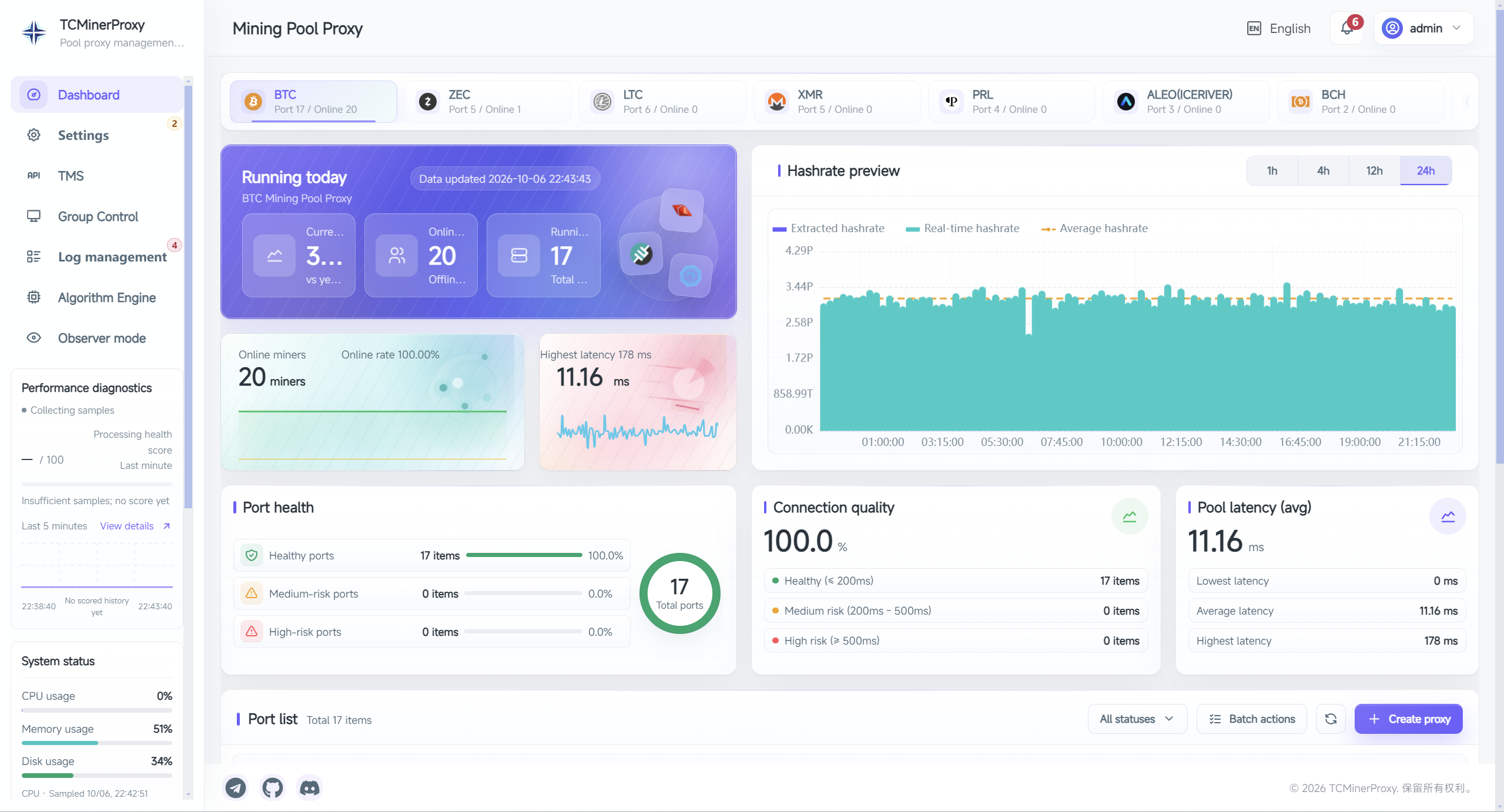
A transfer to a minelaying proxy can involve many devices at once. Updates to ports, destinations, proletarian settings, or software system versions may be necessary, but applying them to an stallion fleet without testing can step-up downtime. A simpleton staged process helps operators observe problems early on and determine their touch minerproxy.
Start by defining the transfer. Write down what will be qualified, why it is needed, and which miners or settings it affects. Identify what a productive lead should look like. For example, the test may need to that miners connect to the premeditated destination and bear on operative with the expected worker configuration. Clear succeeder criteria help prevent hesitant decisions during the rollout.
Record the flow conformation before qualification changes. Save applicable settings, note which use them, and confirm how to restore the previous setup. If the placeholder or direction system of rules supports conformation backups, produce one and verify that it is available. A rollback plan is useful only if stave know how to use it and have the requisite entropy available.
Select a modest, interpreter test aggroup. Include that reflect the models, locations, or web conditions plummy by the change. Avoid testing only on equipment that is remarkably close to the placeholder or configured other than from the rest of the dart. The test group should be big enough to discover likely issues but modest enough to supervise nearly.
Apply the change to the test aggroup and watch the results. Check status, relevant logs, worker identification, and any available operational indicators. Confirm that miners strive the knowing terminus and that the proxy behaves as expected. Do not move to the next stage simply because devices reconnect once; allow enough time to mark recurring or sporadic problems.
If the test fails, pause the rollout. Compare the new configuration with the recorded version and identify what metamorphic. Check whether the issue affects all test or only a subset. Restore the previous settings if needful, then investigate before trying again. Continuing to spread out a failing transfer can make recovery more unmanageable.
When the test succeeds, spread out in governable batches. Apply the change to one aggroup at a time and control each group before proceedings. Keep a record of which have been changed and when. This makes it easier to isolate a problem and roll back only the affected aggroup.
After the rollout, reexamine the final result and update documentation. Record any unplanned demeanour, adjustments, and lessons for future changes. Confirm that the final exam configuration matches the well-meaning frame-up and that superannuated settings are no thirster in use.
Testing every change may seem slower than qualification a fleet-wide update immediately, but it can reduce the time exhausted recovering from avertible problems. Clear support, a voice test group, monitoring, and a practical rollback plan make proxy changes safer and easier to finagle.