
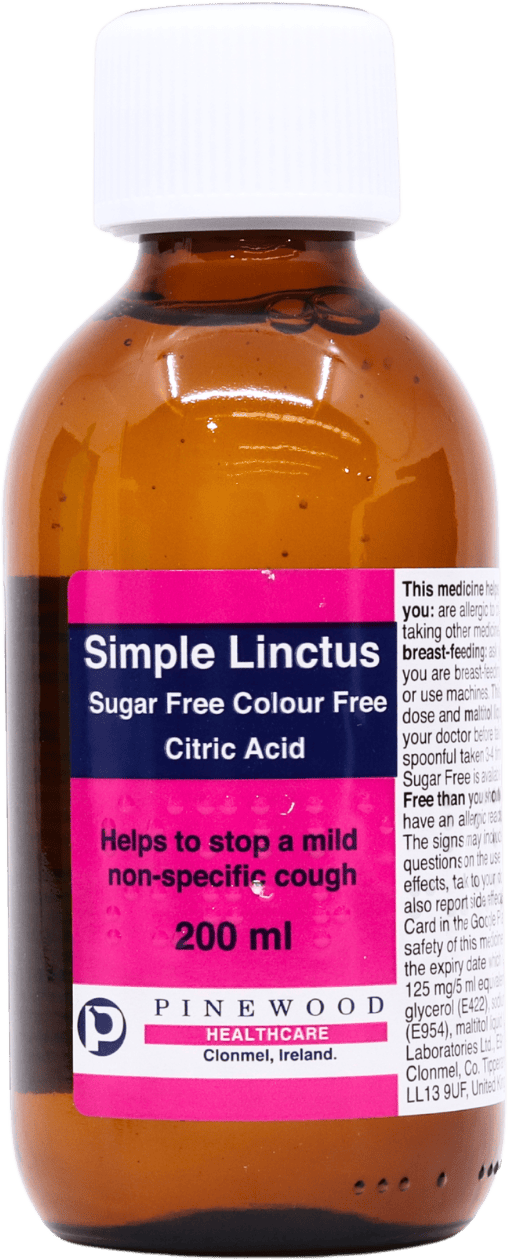
In the soft aisles of Bodoni font pharmacies, nestled between cough up suppressants and throat lozenges, exists a medicative anachronism: codeine linctus. This thick, often -flavored represents a unplumbed and increasingly controversial paradox. It is a mighty opioid analgesic and antitussive masquerading in the innocuous pretence of a simpleton cough up medicate, a Victorian-era root struggling to find its direct in a 21st-century earthly concern rassling with an unexampled opioid . Its very macrocosm forces a unmanageable conversation about pain direction, addiction, and the bequest of historically simplistic treatments.
The Regulatory Tightrope: A Global Disparity
The valid position of codeine linctus uk is a planetary patchwork, reflective a deep international confusion on how to classify it. In the United Kingdom, it clay a prescription medicine-only medicine(POM), yet its real availableness has created a persistent cultural sensing of it as a kind relieve. This contrasts acutely with nations like the United States, where its opioid content places it under stern Schedule II or III controls, and Japan, which has prohibited it entirely due to misuse concerns. This highlights a fundamental frequency question: is it in the first place a medicine or a drug of potency abuse? A 2023 describe from the European Monitoring Centre for Drugs and Drug Addiction noticeable a 15 year-on-year step-up in the seizure of illicit prescription medicine opioids, including -based syrups, across phallus states, indicating a growth underground commercialize for these de jure unstructured substances.
Case Study 1: The Digital Underground and”Lean” Culture
The most virile modern take exception to codeine linctus’s medicinal see is its appropriation by nonclassical culture. Originating in the hip-hop view of the south United States with the intermixture”lean” or”purple drank” a mix of prescription-strength cough sirup, soda, and sugarcoat the unpaid use of Phenergan syrup became a harmful slue. While often involving a different formulation, the discernment spillover has glamorized the act of overwhelming codeine syrup, creating . Online forums and social media platforms have become integer marketplaces and tutorial hubs, bypassing traditional pharmacies entirely. This case contemplate demonstrates how a century-old medicine can be radically recontextualized, creating a new, and dangerously magnetic, transmitter for pervert that regulative bodies are desperately trying to contain.
Case Study 2: The Chronic Pain Patient’s Dilemma
Conversely, there exists a cohort of individuals for whom linctus is a unfeigned line of life. Consider the case of a somebody with a chronic, draining neurologic cough or a terminal illness where swallowing tablets is unacceptable. For them, the liquid preparation of a low-dose opioid provides targeted succour that other medications cannot. The maximizing regulatory clampdown, while aimed at abusers, creates substantial barriers for these legalise patients. They find themselves facing heightened examination, increased prescription costs, and sometimes in a flash denial of a medicine that in effect manages their distressful symptom. This case highlights the inhumane Catch-22 of codeine linctus: the measures premeditated to protect high society from harm can unwittingly cause woe to those who need it most.
A Pharmacological Ghost: The Placebo of Expectation
Beyond the chemical fundamental interaction of codeine with the mind’s opioid receptors lies a more perceptive power: the power of outlook. The ritual of measure the syrup, its typical smack, and the mental connection with virile succour can create a unfathomed placebo effectuate. For a subset of users, the science experience of taking a”strong” medicine is per se tied to its detected efficacy. This creates a dependency that is not solely medicine but also behavioural, making it even harder to step down to less risky, non-opioid alternatives. The sirup becomes a science crutch, a sweetness-tasting surety blanket against discomfort.
Key Considerations for a Modern Perspective
- The Pro-Drug Problem: Codeine is a pro-drug, meaning it must be metabolized by the liver into morphine to become active. Genetic variations mean this work is hazardously efficient for some(“ultra-rapid metabolizers”) and inefficacious for others, making dosing irregular and dangerous.
- Non-Opioid Alternatives: The of effective, -acting cough suppressants like levodropropizine and newer neuromodulating drugs offers a promising nerve pathway away from opioid-based cough treatment.
- The Role of Formulation: The appetizing, sugar-coated syrup formulation itself is a risk factor, growing its potency for abuse compared to a bitterness tablet,